How Hobbies Rewire Your Brain for Better Health
What if the key to feeling sharper, calmer, and more energized isn’t another supplement or workout trend—but something you already love doing? Science shows that engaging in regular hobbies activates brain pathways linked to stress reduction, focus, and long-term mental resilience. I tried tracking my own habits and noticed real shifts—better sleep, clearer thinking, less anxiety. This isn’t magic; it’s biology. Let’s explore how passion projects quietly boost your health from the inside out.
The Hidden Power of Play
Hobbies are often dismissed as mere pastimes—ways to fill empty hours or distract from daily responsibilities. But in reality, they serve a far more essential role in human well-being. A hobby is more than just leisure; it is a structured, self-directed activity that a person engages in regularly for enjoyment. Whether it’s tending to a garden, painting, playing an instrument, or baking bread, these activities activate deep neurological processes that support both mental and physical health. Unlike passive entertainment such as scrolling through social media, hobbies require focused engagement, which triggers meaningful brain responses.
Neuroscience has revealed that when people immerse themselves in enjoyable, repetitive tasks, their brains release key neurotransmitters: dopamine, norepinephrine, and endorphins. Dopamine, often referred to as the “reward chemical,” reinforces motivation and feelings of satisfaction. Norepinephrine sharpens attention and alertness, helping the mind stay present. Endorphins, the body’s natural painkillers, promote a sense of calm and even euphoria. Together, these chemicals create a biological environment that counteracts stress and fosters emotional balance. This is why many people report feeling “recharged” after spending time on a beloved activity—even if it was physically demanding.
The brain treats hobbies as recovery zones from the constant demands of modern life. In a world filled with deadlines, notifications, and decision fatigue, hobbies offer a rare space where there is no external pressure to perform or produce. This psychological safety allows the nervous system to shift from a state of chronic alertness to one of restoration. Think of hobbies as mental gym sessions: just as lifting weights strengthens muscles, engaging in joyful, repetitive activities strengthens emotional regulation and cognitive flexibility. Over time, this builds resilience against anxiety, depression, and burnout.
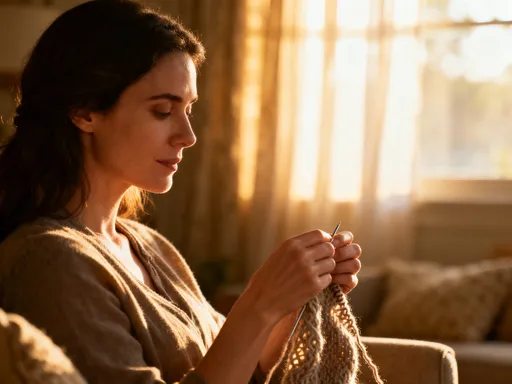
Moreover, the predictability and rhythm found in many hobbies—such as kneading dough, knitting stitches, or following a familiar recipe—provide a soothing structure that calms the mind. These rhythmic actions engage the parasympathetic nervous system, which is responsible for rest and digestion. The brain begins to associate the activity with safety and pleasure, creating a feedback loop that makes it easier to return to the hobby again and again. In this way, hobbies don’t just offer temporary relief—they help rewire the brain for long-term emotional stability.
Why Modern Life Starves Our Need for Flow
One of the most powerful psychological states linked to hobbies is called *flow*—a term coined by psychologist Mihaly Csikszentmihalyi to describe a state of complete absorption in an activity. In flow, time seems to disappear, self-consciousness fades, and action and awareness merge. It’s that feeling of being “in the zone,” where everything clicks effortlessly. Flow doesn’t happen during passive watching or mindless scrolling; it arises when there’s a balance between challenge and skill, when the task is engaging enough to demand full attention but not so difficult that it causes frustration.
Unfortunately, modern life is not designed to support flow. Instead, it promotes fragmentation. The average adult switches tasks every few minutes, interrupted by emails, texts, and app notifications. Multitasking has become normalized, yet research consistently shows that it impairs cognitive performance. Each time attention shifts, the brain must reorient itself, consuming mental energy and increasing cognitive load. This constant switching depletes working memory, reduces productivity, and heightens mental fatigue. Over time, this pattern erodes the ability to focus deeply—an essential prerequisite for entering flow states.
Screen overload further compounds the problem. Digital devices are engineered to capture attention through unpredictable rewards—likes, messages, updates—which mimic the mechanics of gambling. This creates a cycle of dopamine spikes that are fleeting and unsatisfying, leaving the brain craving more stimulation without ever achieving fulfillment. As a result, many people feel mentally exhausted despite not having engaged in any meaningful work. The absence of sustained focus deprives the brain of the deep engagement it needs to feel truly rested and restored.
Without regular access to flow, the body pays a physiological price. Chronic mental fragmentation leads to elevated levels of cortisol, the primary stress hormone. High cortisol over time contributes to inflammation, weakened immunity, disrupted sleep, and increased risk of anxiety and depression. Observational studies have found that adults who report low levels of engaging activities—particularly those involving creativity or skill-building—are significantly more likely to experience burnout, emotional exhaustion, and reduced life satisfaction. In contrast, those who regularly enter flow through hobbies report higher levels of well-being, greater resilience, and improved mood regulation.
Hobbies as Cognitive Shields: What Brain Imaging Reveals
Advances in neuroimaging have allowed scientists to observe what happens in the brain during hobby engagement. Functional MRI (fMRI) studies show that when individuals participate in activities like playing music, painting, gardening, or solving puzzles, there is increased activation in several key brain regions. Most notably, the prefrontal cortex—the area responsible for executive functions such as planning, decision-making, and emotional control—shows enhanced activity. This suggests that hobbies aren’t passive escapes; they actively train the brain to function more efficiently.
Another critical network activated during hobbies is the default mode network (DMN), which becomes active when the mind is at rest and not focused on the outside world. The DMN is involved in self-reflection, memory consolidation, and creative thinking. While it was once thought to be “idling” during downtime, researchers now understand that it plays a vital role in integrating experiences and making sense of emotions. Engaging in hobbies appears to modulate the DMN in healthy ways, allowing for better emotional processing and insight. This may explain why people often have sudden realizations or solutions to problems while doing something unrelated, like knitting or walking in nature.
The combined effect of stimulating both the prefrontal cortex and the DMN creates a powerful cognitive shield. Regular hobby engagement strengthens neural connections associated with attention, problem-solving, and emotional regulation. Over time, this builds what scientists call cognitive reserve—the brain’s ability to adapt and compensate for age-related changes or damage. Longitudinal studies have shown that adults who maintain mentally stimulating hobbies throughout life are less likely to develop neurodegenerative conditions such as Alzheimer’s disease or other forms of dementia.
For example, research conducted at the Mayo Clinic found that older adults who engaged in crafts, music, or social hobbies had a 40% lower risk of cognitive decline over a six-year period compared to those who did not. Similar findings have emerged from the Rush Memory and Aging Project, which tracked thousands of older adults and found that frequent participation in cognitively engaging activities was strongly associated with slower rates of memory loss. These benefits are not limited to intellectual pursuits—physical hobbies like dancing or gardening also contribute to brain health by improving blood flow and reducing inflammation.
From Stress Relief to Physical Resilience
The benefits of hobbies extend far beyond the brain—they ripple through the entire body. When stress is reduced through enjoyable activities, the body responds with a cascade of positive physiological changes. One of the most significant is the reduction of cortisol. Lower cortisol levels mean less inflammation, which is linked to a wide range of chronic conditions including heart disease, diabetes, and autoimmune disorders. With less systemic inflammation, the immune system functions more effectively, making the body better equipped to fight off infections and recover from illness.
Some hobbies have a direct impact on cardiovascular health. Rhythmic, repetitive movements—such as knitting, drumming, or rocking in a chair—can regulate heart rate variability (HRV), a key marker of autonomic nervous system balance. High HRV is associated with better stress resilience, emotional regulation, and overall cardiovascular fitness. Studies have shown that just 20 minutes of rhythmic handcrafting can produce measurable improvements in HRV, similar to the effects seen with mindfulness meditation. This makes hobbies like crocheting or pottery not only creative outlets but also forms of embodied therapy.
Sleep quality also improves with regular hobby engagement. Many people struggle with insomnia or restless sleep due to an overactive mind. Hobbies that involve tactile engagement or physical movement help transition the brain from a state of hyperarousal to one of calm. The act of focusing on a concrete task—such as arranging flowers, building a model, or writing in a journal—creates mental closure, making it easier to unwind at bedtime. Research published in the journal Health Psychology found that adults who spent time on enjoyable non-work activities reported falling asleep faster and experiencing deeper, more restorative sleep.
Additionally, hobbies often reduce sedentary behavior, even if they aren’t traditionally considered exercise. Baking requires standing and moving around the kitchen. Gardening involves bending, lifting, and digging. Playing with grandchildren or walking a dog combines physical activity with emotional connection. Even seated hobbies like reading or sewing encourage breaks and posture changes that counteract the harms of prolonged sitting. When combined with mindfulness—the natural byproduct of focused engagement—hobbies promote a holistic form of well-being that integrates mind and body.
Finding the Right Fit: Matching Hobbies to Your Biology
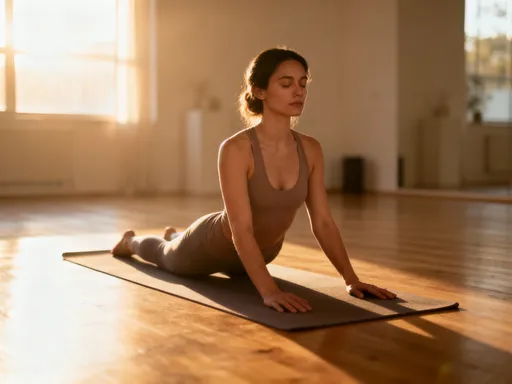
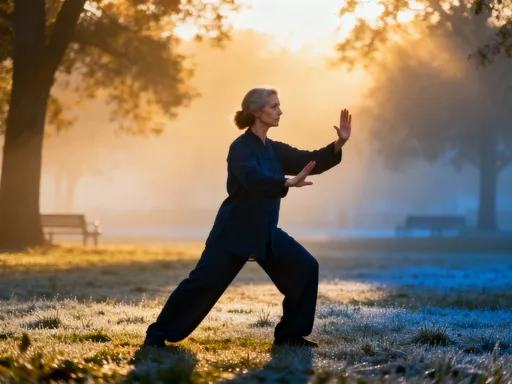
Not all hobbies are equally beneficial for everyone. The key to maximizing their health benefits lies in choosing activities that align with your natural temperament, energy levels, and sensory preferences. Hobbies can be broadly categorized into four types based on their neurological impact: creative, physical, social, and skill-based. Creative hobbies—such as painting, writing, or playing music—stimulate imagination and emotional expression. Physical hobbies—like dancing, hiking, or yoga—enhance body awareness and release tension. Social hobbies—such as joining a book club, volunteering, or playing team games—foster connection and belonging. Skill-based hobbies—like learning a language, coding, or woodworking—promote cognitive growth and mastery.
To find the right fit, consider your current energy patterns. If you feel drained by social interactions, a quiet, solitary hobby like gardening or journaling may be more restorative. If you struggle with restlessness or racing thoughts, a physically engaging activity like swimming or pottery might provide the grounding you need. Sensory preferences also matter: some people thrive on tactile experiences (knitting, baking), while others prefer visual stimulation (photography, quilting) or auditory engagement (singing, listening to music).
Self-assessment doesn’t need to be formal. Simply reflect on moments when you’ve lost track of time—what were you doing? What kinds of activities leave you feeling refreshed rather than exhausted? These clues point to hobbies that resonate with your biology. It’s important to approach this process with curiosity rather than pressure. The goal is not to achieve perfection or mastery, but to experience joy and engagement. Treating a hobby as a performance task—something to be optimized or shared on social media—undermines its therapeutic value.
Experimentation is encouraged. Try a new recipe, visit a craft store, take a single class. There’s no need to commit long-term. The freedom to explore without expectation allows the brain to remain open and receptive. Over time, certain activities will naturally rise to the top—not because they’re “best,” but because they feel right. And that sense of alignment is what makes a hobby truly healing.
Building a Sustainable Habit Loop
Knowing the benefits of hobbies is one thing; making time for them is another. For many adults, especially those managing households and careers, the idea of adding another commitment can feel overwhelming. But hobbies shouldn’t be treated as obligations. The most effective way to integrate them into daily life is through small, consistent actions that require minimal effort to begin. The principle of starting small cannot be overstated. Even five to ten minutes a day can initiate a positive feedback loop that strengthens over time.
Scheduling hobby time increases the likelihood of follow-through. Instead of waiting for “free time” that rarely comes, treat the activity like any other important appointment. Block out a regular slot—after dinner, during a lunch break, or on weekend mornings—and protect it as you would a doctor’s visit or school pickup. Pairing the hobby with an existing routine can also help. For example, listening to an audiobook while folding laundry turns a chore into a pleasurable experience. Keeping a sketchpad by the coffee table makes drawing a natural part of morning rituals.
Environmental design plays a crucial role in sustaining habits. Create a dedicated space for your hobby, even if it’s just a corner of a room. Keep supplies visible and within reach. A guitar left on a stand is more likely to be played than one stored in a case. A bowl of fresh fruit on the counter encourages healthy snacking; similarly, an open puzzle on a table invites engagement. Reducing friction makes it easier to act on impulse in a positive way.
Consistency matters more than intensity. It’s better to knit one row every evening than to knit for three hours once a month. Regular engagement reinforces neural pathways, deepens skill development, and strengthens emotional rewards. Over time, the brain begins to anticipate and crave the hobby, making it self-sustaining. This is the essence of a healthy habit loop: cue, routine, reward. The cue might be a specific time or location; the routine is the activity itself; the reward is the sense of calm, accomplishment, or joy that follows. When this cycle becomes automatic, hobbies cease to feel like additions and instead become natural expressions of self-care.
Beyond the Individual: Social and Lifestyle Ripple Effects
The benefits of hobbies extend beyond personal health—they influence relationships, family dynamics, and community life. Shared hobbies create opportunities for meaningful connection. Cooking a meal together, working on a home project, or attending a class with a partner or friend strengthens bonds through cooperation and mutual enjoyment. These experiences build positive memories and deepen emotional intimacy without the pressure of formal conversation. Children notice when parents engage in joyful activities, and they learn by example that taking time for oneself is not selfish—it’s necessary.
In the workplace, employees who maintain hobbies report higher levels of focus, patience, and problem-solving ability. Emotional regulation gained through creative or physical outlets translates into better conflict management and decision-making. Employers are increasingly recognizing this, with some companies offering hobby-based wellness programs or flexible schedules to support personal interests. The line between personal fulfillment and professional performance is not as rigid as once believed—what restores the mind also enhances productivity.
Hobbies also fit seamlessly into a holistic health framework. They complement other pillars of well-being: sleep, nutrition, and physical activity. A person who gardens eats fresher food. Someone who dances gets aerobic exercise. A writer practices mindfulness through focused attention. Rather than viewing hobbies as extras, they should be seen as integral components of a balanced lifestyle. Health is not just the absence of disease—it is the presence of vitality, purpose, and joy.
Ultimately, joy is not a luxury. It is a biological necessity. The brain and body are designed to thrive on engagement, rhythm, and meaning. When we make space for activities that light us up, we are not indulging—we are restoring balance. In a culture that often equates worth with output, hobbies remind us that being is just as important as doing. They teach us to slow down, to notice, to feel. And in that space, healing happens quietly, steadily, and deeply.
Engaging in hobbies isn’t just about passing time—it’s a form of proactive health optimization. By intentionally making space for activities that spark joy, we support brain function, emotional balance, and physical well-being. The science is clear: when you invest in what you love, your body and mind respond in kind. It’s not about adding more to your schedule, but reclaiming what makes life feel alive.