Calm Mind, Strong Body: How Simple Chinese Wisdom Fixed My Stress
Ever feel like your mind’s stuck in overdrive? I did too—until I found calm through simple Chinese wellness habits. No magic pills, just daily tweaks rooted in real tradition. This is how balancing my energy changed everything, and why you might want to try it too. Totally natural, totally doable. For years, I moved through life on high alert—racing thoughts, restless nights, and a constant sense of not doing enough. Then I discovered a different way: not through modern medicine or expensive therapies, but through ancient practices that have supported well-being for thousands of years. This is not about dramatic overhauls, but gentle, sustainable shifts that honor the body’s natural rhythms and the mind’s need for peace.
The Modern Stress Trap: Why We’re Always “On”
Life today moves at a pace our bodies were never designed to handle. From the moment we wake, many of us are already responding to messages, checking schedules, and mentally preparing for the day’s demands. The smartphone in hand, the email inbox that never empties, the endless stream of news and social updates—these are not just distractions. They are constant signals to the nervous system that danger might be near, keeping it in a prolonged state of alertness. This chronic activation of the stress response, often called the “fight-or-flight” mode, was meant to be temporary. In our ancestors, it helped them escape predators. Today, it’s triggered by work deadlines, financial worries, or even a tense conversation. The problem is, when this state becomes the norm, it starts to wear down both mind and body.
Research widely published in health journals shows that long-term stress leads to elevated levels of cortisol, the primary stress hormone. When cortisol remains high over time, it disrupts sleep, weakens immune function, and affects digestion. It can also cloud thinking, reduce focus, and make emotional regulation more difficult. Many women in their 30s to 50s report feeling “wired but tired”—energized by stress yet physically drained. This imbalance doesn’t just affect mood; it can show up as headaches, muscle tension, or a general sense of being unwell. The body, in its wisdom, signals that something is out of alignment. What’s often overlooked is that emotional strain and physical discomfort are deeply linked. When emotions are suppressed or ignored, they don’t disappear—they may instead manifest as fatigue, digestive issues, or aches without clear medical cause.
The good news is that the body also has a built-in recovery system. It’s called the parasympathetic nervous system, and its role is to bring us back to rest, repair, and calm. The challenge today is that we rarely give it the chance to activate. We power through our days, skip meals, and sacrifice sleep, believing that productivity is the measure of worth. But true strength isn’t found in how much we can endure. It’s found in how well we can return to balance. This is where traditional Chinese wellness offers powerful insight—not as a replacement for modern medicine, but as a complementary way to support daily well-being.
Enter Chinese Wellness: More Than Just Herbs
When many people hear “Chinese wellness,” they think of herbal remedies or acupuncture. While these are part of the system, they represent only one layer. At its core, Chinese wellness is a holistic philosophy—one that sees the body, mind, and emotions as interconnected parts of a single, dynamic system. It doesn’t separate mental stress from physical symptoms. Instead, it views them as different expressions of the same underlying imbalance. For example, someone who is consistently irritable might not just be “stressed”—in this framework, that irritation could reflect a disturbance in the liver’s energy, often referred to as *qi* (pronounced “chee”). Similarly, ongoing sadness might be seen as affecting the lungs, while excessive worry could relate to the digestive system, or “spleen” in traditional terms.
These connections are not meant as medical diagnoses, but as observations developed over centuries of careful study and practice. The goal is not to label or fix, but to understand patterns. When energy—*qi*—flows smoothly, the body feels light, the mind is clear, and emotions come and go without lingering. But when that flow becomes blocked or imbalanced, discomfort arises. This could look like tension in the shoulders, trouble sleeping, or a feeling of being emotionally “stuck.” The beauty of this approach is that it doesn’t require high-tech tools or expensive treatments. It starts with awareness: noticing how we feel, what we carry, and how our daily habits either support or disrupt our natural balance.
Unlike Western medicine, which often focuses on treating symptoms, Chinese wellness emphasizes prevention and harmony. It asks not just “What’s wrong?” but “How can we live in a way that keeps us well?” This means paying attention to rhythm—when we eat, sleep, move, and rest. It means honoring the seasons, the time of day, and the body’s natural cycles. It’s a gentle, observant way of living that invites us to slow down and listen. And while this wisdom comes from an ancient tradition, its principles are more relevant than ever in our fast-paced world.
Breathe Like You Mean It: The Power of Diaphragmatic Breathing
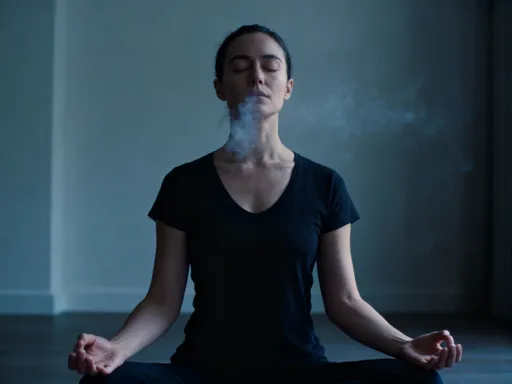
One of the most immediate and accessible tools for calming the nervous system is also one of the oldest: deep, diaphragmatic breathing. Most of us breathe shallowly, using only the upper chest. This type of breathing signals the body to stay alert, reinforcing the stress response. But when we shift to slow, deep breaths that expand the belly, we send a clear message: it’s safe to relax. This activates the vagus nerve, a key component of the parasympathetic nervous system, which helps lower heart rate, reduce blood pressure, and quiet the mind.
A simple practice used in traditions like Qigong and meditation involves a four-step rhythm: inhale slowly through the nose for a count of four, allowing the belly to rise like a balloon; hold gently for a moment; exhale slowly through the mouth for a count of six or eight, feeling the abdomen draw inward; and pause briefly before the next breath. This extended exhale is especially effective for triggering relaxation. Doing this for just three to five minutes can shift the body from a state of tension to one of calm. It’s something you can do at your kitchen counter, in your car before walking into the house, or lying in bed at night.
What makes this practice so powerful is its consistency with Chinese wellness principles. It doesn’t fight stress with force. Instead, it works with the body’s natural ability to restore balance. Over time, regular deep breathing can improve sleep quality, reduce daytime anxiety, and enhance mental clarity. Many women report feeling more centered and less reactive after making this a daily habit. It’s not about achieving perfect stillness. It’s about creating small moments of return—times when you remind your body that you are safe, that you can rest, that you are enough just as you are.
Move Your Qi: Gentle Movement for Mental Clarity
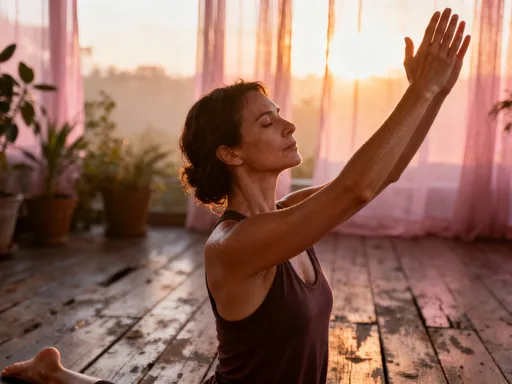
Energy thrives on movement. In Chinese wellness, stagnant *qi* is often linked to physical discomfort and emotional heaviness. When we sit for long hours, hold tension in our bodies, or suppress our feelings, energy can become blocked. The solution isn’t intense exercise, but gentle, intentional motion that encourages flow. Practices like Tai Chi, Qigong, or even slow stretching routines are designed to do exactly this. They combine breath, movement, and awareness in a way that reconnects the mind and body.
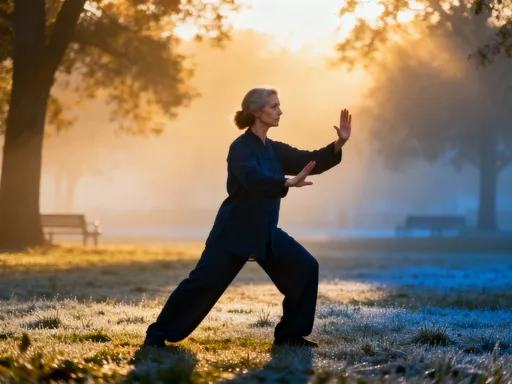
Tai Chi, often described as “meditation in motion,” involves a series of flowing movements performed slowly and with focus. Each motion is coordinated with the breath, creating a rhythm that calms the nervous system. Studies on older adults have shown that regular Tai Chi practice can improve balance, reduce falls, and lower symptoms of anxiety and depression. But you don’t need to master a full form to benefit. Even five minutes of gentle arm circles, shoulder rolls, or mindful walking can make a difference. The key is not speed or intensity, but presence—paying attention to how your body feels as you move.
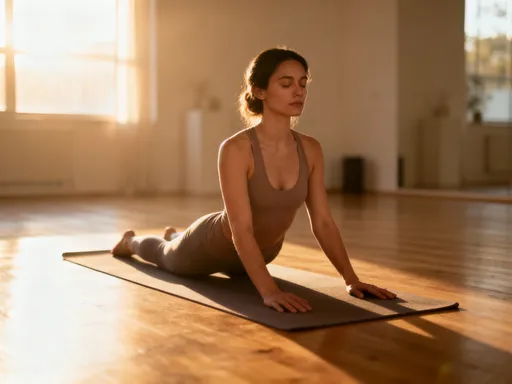
For women managing busy households, careers, or caregiving responsibilities, finding time for exercise can feel impossible. That’s why these practices are so valuable—they don’t require a gym, special clothes, or an hour of time. You can do them in your living room, in the backyard, or even at your desk. The goal is not to burn calories, but to release tension and restore circulation. When you move with awareness, you’re not just exercising the body. You’re also clearing mental clutter and creating space for calm. Over time, this gentle movement becomes a form of self-care that supports both physical vitality and emotional resilience.
The Five-Element Check-In: Daily Emotional Awareness
Chinese wellness includes a framework known as the Five Elements—wood, fire, earth, metal, and water—each associated with a season, organ system, and emotional state. This isn’t a rigid system, but a way to understand patterns in nature and within ourselves. For example, wood energy is linked to spring, the liver, and the emotion of anger. Fire relates to summer, the heart, and joy—or its imbalance, irritability. Earth connects to late summer, the digestive system, and worry. Metal is tied to autumn, the lungs, and grief. Water corresponds to winter, the kidneys, and fear.
This model can be adapted into a simple daily check-in: “Which emotion am I carrying today?” You don’t need to label it as “bad” or try to fix it. Just noticing is powerful. If you’re feeling irritable, you might say, “This is wood energy today.” If you’re overwhelmed with tasks, “This feels like earth energy—too much thinking.” The practice isn’t about judgment, but awareness. And once you notice, you can choose small actions to bring balance. For anger or frustration, a walk in nature or a few minutes of deep breathing can help. For sadness, humming a soft tune or wrapping yourself in a warm blanket may soothe the lungs. For worry, placing a hand on the belly and focusing on slow breaths can calm the digestive system.
This kind of emotional mapping doesn’t replace therapy or medical care. But it offers a gentle, practical way to stay connected to your inner state. It reminds you that emotions are not enemies to be suppressed, but signals to be heard. When you honor them with simple, caring responses, you support your body’s natural ability to regulate and heal.
Daily Rhythms: Aligning with Nature’s Clock
Another cornerstone of Chinese wellness is living in harmony with natural cycles. This includes the rhythm of the day, known as the “Chinese body clock,” which suggests that each two-hour period is linked to a different organ system. For example, the liver is most active between 1 a.m. and 3 a.m., a time when deep rest supports its detoxification role. The heart governs from 11 a.m. to 1 p.m., making midday a natural time for activity and connection. The pericardium and triple warmer systems are active between 7 p.m. and 11 p.m., a period meant for winding down and preparing for sleep.
While this framework isn’t presented as medical fact, it offers a meaningful way to structure daily life. Going to bed by 10 p.m., for instance, supports the body’s transition into restful states before the liver’s active phase. Eating the largest meal at midday aligns with peak digestive energy. Taking a short rest after lunch honors the spleen and stomach’s need for support. These small adjustments don’t require drastic changes. They simply invite you to slow down and align with your body’s natural preferences.
For women juggling multiple roles, this rhythm can be a source of stability. Instead of fighting fatigue with caffeine or pushing through exhaustion, you learn to work with your energy peaks and dips. Morning becomes a time for gentle movement and nourishing food. Afternoon is for focus and productivity. Evening is for connection, quiet, and preparation for rest. When your daily habits reflect these natural flows, you may find that you feel more energized, focused, and emotionally balanced—even on busy days.
Making It Stick: Small Steps, Big Shifts
The most common reason wellness practices fail is not lack of desire, but lack of sustainability. Many people start with enthusiasm—buying new gear, downloading apps, setting ambitious goals—only to abandon them when life gets busy. The key to lasting change is simplicity. Instead of trying to do everything at once, choose one small habit to begin with. It could be five minutes of belly breathing before bed. It could be a short stretch after waking up. It could be pausing to ask, “How am I feeling?” before eating lunch.
Consistency matters more than intensity. Doing a little every day builds momentum. Over time, these small actions become automatic, like brushing your teeth or making your morning tea. Once one habit is established, you can add another. The goal isn’t perfection. It’s progress. And progress doesn’t have to be fast. It just has to be kind. Be patient with yourself. Some days will be easier than others. That’s normal. What matters is the willingness to return, again and again, to practices that support your well-being.
Think of these habits not as chores, but as gifts to yourself. Each breath, each mindful movement, each moment of awareness is a way of saying, “I matter.” You don’t have to earn rest. You don’t have to prove your worth. You are already enough. And by honoring your body’s wisdom, you create space for calm, clarity, and strength to grow naturally.
Your Calm Is Possible
True wellness is not a destination. It’s a daily practice of returning to balance. It’s not about eliminating stress entirely—that’s neither possible nor necessary. It’s about building resilience, so you can move through challenges without losing yourself. The habits shared here—deep breathing, gentle movement, emotional awareness, and rhythmic living—are not cures. They are tools. Simple, time-honored, and deeply human ways to support your mental and physical health.
These practices come from a tradition that values harmony, patience, and observation. They don’t demand perfection. They invite presence. And they are accessible to anyone, regardless of age, fitness level, or background. You don’t need special training or expensive resources. You just need a willingness to begin, one small step at a time.
If you’ve been feeling overwhelmed, exhausted, or disconnected, know that change is possible. You don’t have to wait for a crisis to prioritize your well-being. You can start today—with a single breath, a quiet moment, a choice to listen. Calm is not something you find outside yourself. It’s something you cultivate from within. And with practice, it becomes not just possible, but natural.